 Request Service
 5-Star Reviews

 24/7 Service Available
 Pay Now With Credit Card
Why Is My Air Conditioner Constantly Running?
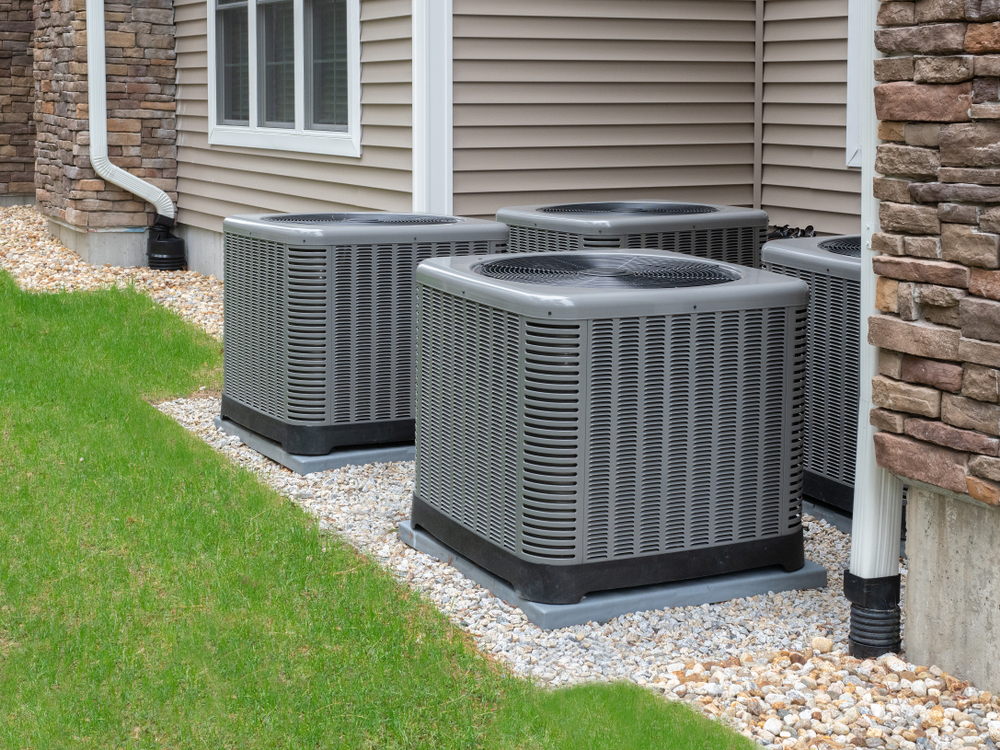
It’s normal for your air conditioner to run longer during extremely hot summer days, especially when temperatures climb into the 90s. However, if your system seems to run constantly without reaching the temperature set on your thermostat, it may be a sign that something isn’t working as it should.
A continuously running air conditioner can reduce comfort, increase energy bills, and place unnecessary strain on your HVAC system. Understanding the possible causes can help you determine whether the issue is a simple maintenance task or something that requires professional attention.
Dirty Air Filter
A clogged air filter is one of the most common reasons an air conditioner runs longer than necessary. As dust, dirt, and other debris build up, airflow becomes restricted, making it harder for your system to circulate cool air throughout your home.
Signs of a dirty air filter include:
- Weak Airflow: Less cool air coming from your vents.
- Long Cooling Cycles: Your AC struggles to reach the desired temperature.
- Higher Energy Bills: The system works harder to cool your home.
- Uneven Temperatures: Some rooms remain warmer than others.
Incorrect Thermostat Settings
Sometimes the problem isn’t the air conditioner at all. Incorrect thermostat settings or a malfunctioning thermostat can cause your cooling system to run longer than necessary. If the thermostat isn’t reading your home’s temperature accurately, it may continue calling for cooling even after your home has reached a comfortable temperature.
Common thermostat issues include:
- Temperature Set Too Low: Your AC may struggle to reach an unrealistic setting during extreme heat.
- Faulty Temperature Sensor: Incorrect readings can cause the system to run continuously.
- Poor Thermostat Location: Direct sunlight or nearby heat sources can affect accuracy.
- Outdated Thermostat: Older models may not regulate cooling efficiently.
Dirty Condenser Coils
Your outdoor condenser unit releases heat collected from inside your home. When dirt, leaves, or debris cover the condenser coils, the system has a harder time releasing that heat. As a result, your air conditioner must run longer to maintain the temperature you’ve set on the thermostat.
This can lead to:
- Longer Cooling Cycles: The system runs longer to remove indoor heat.
- Reduced Efficiency: More energy is needed to achieve the same results.
- Higher Utility Costs: Poor heat transfer increases operating expenses.
- Additional Wear: Components remain under greater stress.
Low Refrigerant Levels
Your air conditioner relies on refrigerant to absorb and remove heat from your home. If refrigerant levels are low due to a leak, your system may continue running without producing enough cool air.
Signs of low refrigerant include:
- Warm Air: The system runs but doesn’t cool effectively.
- Ice on Refrigerant Lines: Frozen components often indicate pressure problems.
- Hissing Sounds: Refrigerant leaks may produce noticeable noises.
- Long Run Times: The system struggles to maintain indoor temperatures.
Because refrigerant should only be handled by certified professionals, this issue should be inspected promptly. If your system continues to struggle, AC repair can help identify the underlying cause before it leads to more serious damage.
Your Air Conditioner Is Too Small
If your air conditioner isn’t properly sized for your home, it may not cool the space efficiently on the hottest days of the year. An undersized system must work continuously to meet your home’s cooling demand, which can lead to increased wear and higher energy costs.
An undersized system may cause:
- Constant Operation: The system rarely reaches the thermostat setting.
- Poor Indoor Comfort: Certain rooms remain warm.
- Higher Cooling Costs: Longer operating times increase energy use.
- Premature Wear: Components experience more strain over time.
If your current system has always struggled to cool your home, it may be worth exploring AC installation to ensure your equipment is properly sized for your home’s cooling needs.
Air Leaks Around Your Home
Even a properly functioning air conditioner will struggle if cool air constantly escapes your home. Air leaks around windows, doors, attic spaces, or poorly insulated areas can make your system work much harder. As cooled air escapes and warm outdoor air enters, your AC has to run longer to maintain a comfortable indoor temperature, increasing both energy use and system wear.
Watch for:
- Drafts Around Doors or Windows: Warm air entering your home can reduce cooling efficiency.
- Uneven Room Temperatures: Some areas may feel warmer because cool air is escaping.
- Poor Insulation: Inadequate insulation allows heat to enter your home more easily.
- Higher Energy Bills: Longer cooling cycles often lead to increased utility costs.
Improving your home’s insulation, sealing air leaks, and weatherstripping doors and windows can help reduce the workload on your cooling system while improving comfort throughout your home.
When Should You Be Concerned?
An air conditioner that runs continuously isn’t always a sign of a major problem. During periods of extreme heat, longer cooling cycles are often expected. However, if your system runs for hours without reaching the temperature you’ve set, it’s worth having it inspected.
However, it’s time to have your system inspected if you notice:
- The AC Never Reaches the Set Temperature
- Warm Air Coming From the Vents
- Rapidly Increasing Utility Bills
- Frozen Refrigerant Lines
- Unusual Noises or Odors
- Short Cycling Between Long Run Times
Ignoring these warning signs can allow minor issues to become much more expensive repairs. If your system is running constantly, it may also be experiencing other common AC problems in summer that affect comfort and efficiency.
How to Keep Your AC Running Efficiently
Routine maintenance is one of the best ways to keep your air conditioner operating efficiently throughout the cooling season. Regular inspections can identify small issues early, helping your system cool more effectively while reducing the risk of unexpected breakdowns.
Simple steps include:
- Replace Air Filters Regularly
- Keep Outdoor Units Free of Debris
- Schedule Annual System Maintenance
- Seal Air Leaks Around Your Home
- Use Reasonable Thermostat Settings
Preventive maintenance allows small issues to be identified before they lead to reduced performance or unexpected breakdowns. Scheduling regular AC maintenance can help keep your cooling system operating efficiently throughout the summer.
Don’t Ignore an Air Conditioner That Won’t Stop Running
If your air conditioner seems to run constantly, it’s usually a sign that your system is struggling to cool your home efficiently. Addressing the problem early can help improve comfort, lower energy costs, and reduce unnecessary wear on your equipment.
Whether the issue is a dirty air filter, low refrigerant, restricted airflow, or a more complex mechanical problem, having the system inspected can help restore reliable cooling before a small issue turns into a costly repair. Don’t wait for your system to fail completely; schedule an inspection at the first sign of trouble to keep your home cool and comfortable.
